



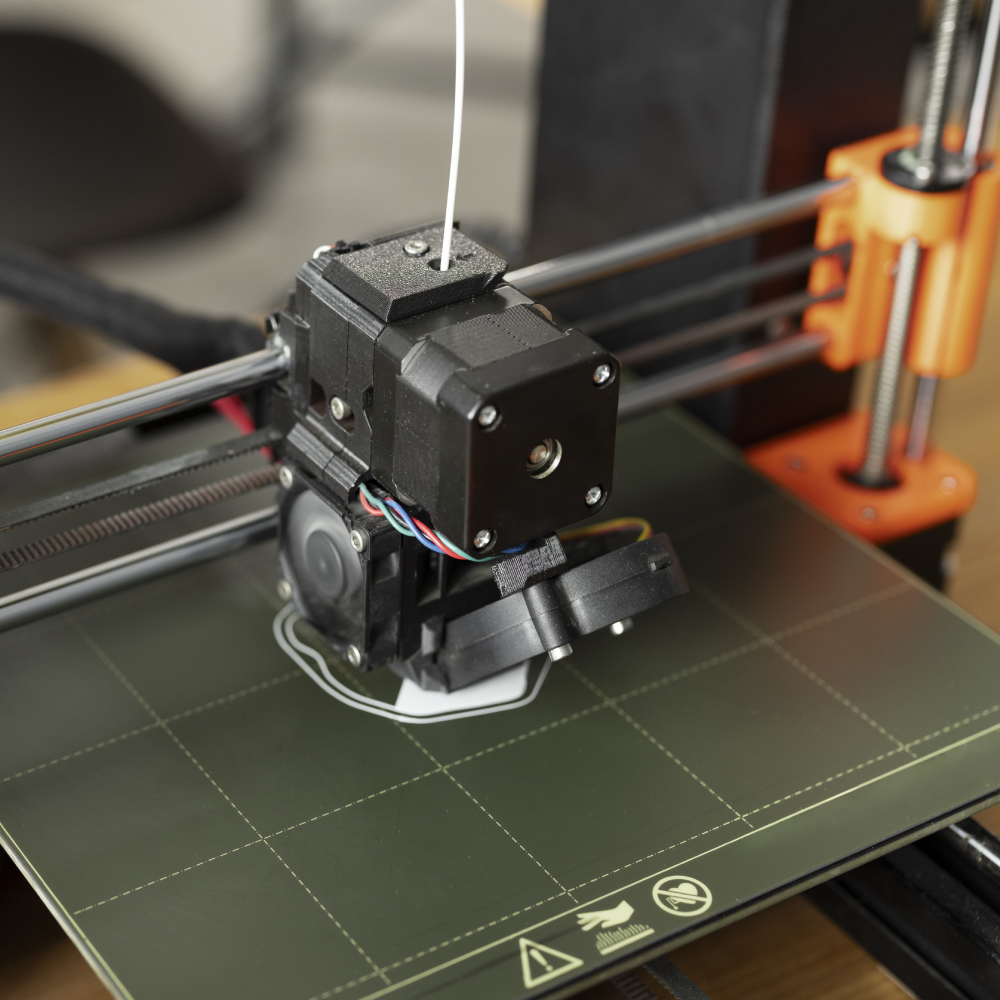
When you watch your 3D printer gliding smoothly across the bed, what you’re really seeing is the magic of belts and pulleys in 3d printing at work. These parts are responsible for turning the motor’s rotations into fast, precise movement. Get them right, and your prints look sharp. Get them wrong, and you’ll be chasing layer shifts, ringing, or sloppy details.
Here’s a breakdown of how belts and pulleys work, the different options you’ll find, and which setup is best for your printer.
Build Your Own 3D Printer: The Ultimate DIY Parts Guide for Makers & Hobbyists
What Do Belts Do in a 3D Printer?
Belts connect your stepper motors to the moving parts of your printer (usually the X and Y axes). When the motor turns, the belt pulls the carriage, enabling fast and controlled movement.
Lightweight → keeps motion quick and efficient
Flexible but strong → avoids skipping under tension
Works with pulleys to translate rotation into linear travel
Most modern printers utilize GT2 timing belts due to their balance between precision and affordability.
What Are Pulleys and Idlers?
A pulley is mounted on the stepper motor shaft and “grabs” the belt using teeth that mesh perfectly with the belt grooves.
Drive Pulley: Attached to the stepper motor, drives the belt.
Idler Pulley (or Bearing): Redirects or tensions the belt without slipping.
Using the right pulleys ensures consistent grip, smooth motion, and accurate positioning.
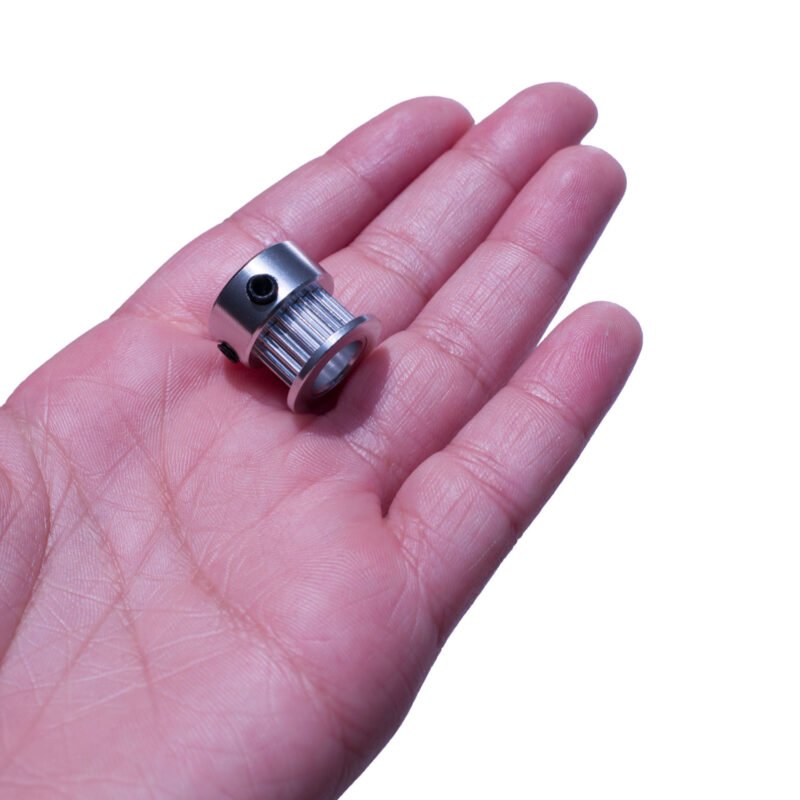
Common Belt Types for 3D printers
GT2 Belts (Most Popular)
Tooth pitch: 2mm
Best choice for 3D printing due to precision and smooth movement.
GT3 / GT5 Belts
Stronger and stiffer, but unnecessary for most desktop printers.
Steel-Core Belts
Added strength, but can fatigue and snap in small pulleys.
👉 Stick with GT2 belts with fiberglass reinforcement for most builds.
Smoothness vs. Cost: Belts vs. Alternatives
Belts are lightweight, affordable, and quiet, but can stretch slightly over time.
Lead screws or ball screws (alternatives) provide more rigidity but are heavier and slower, making them better for Z-axis than X/Y.
Best Belt & Pulley Setups for Printers
Standard Cartesian (Prusa / Ender): GT2 belt + 20-tooth pulley
CoreXY / Voron: High-quality GT2 belts, idlers with bearings, proper tensioning
High-Speed Builds: Genuine Gates GT2 belts with machined aluminum pulleys
Tip: Always tension your belts properly — too loose causes ringing, too tight stresses bearings.
Final Thoughts: Belts and Pulleys in 3D Printing
Belts and pulleys may look simple, but they’re the hidden heroes of your printer’s motion system. If you invest in good-quality GT2 belts and matching pulleys, you’ll enjoy smoother prints, sharper corners, and fewer headaches down the road.





Recent Comments