
Blog
Aluminium Profile Brackets: Types, Uses, and How to Choose the Right One
Aluminium extrusion systems are built on simplicity, modularity, and strength, and brackets are what bring it all together. Whether you’re assembling a lightweight 3D printer frame or building a full-scale workbench, selecting the right bracket is crucial to ensuring your project is solid, square, and safe.
In this article, we’ll walk you through the main types of aluminium profile brackets, how they’re used, and how to select the right ones for your build.
Understanding Aluminium Extrusion Profiles
What Are Brackets in Aluminium Extrusion Systems?
Brackets are structural connectors used to join aluminium profiles at fixed angles, usually 90°, 45°, or T-junctions. They keep your frame aligned, distribute load, and provide mechanical strength at joints.
Most brackets are made from cast or machined aluminium and are fastened to profiles using T-nuts and bolts.
Common Types of Aluminium Profile Brackets
There are several standard bracket types — each with a specific use case.
🔹 L-Brackets (90° Brackets)
These are the most common. Shaped like an “L”, they’re used to join two profiles at a 90-degree angle.
Best for: Simple corner joints, enclosures, and small frames.
🔹 Corner Brackets (Inside Brackets)
These sit inside the profile corner rather than on the outside. They’re hidden and cleaner-looking, often used where appearance or flush edges matter.
Best for: Enclosures, front panels, aesthetic builds.
🔹 T-Brackets
T-brackets connect three profiles together in a T shape — typically when you need to add a cross-member to a larger frame.
Best for: CNC beds, printer frames, machine tables.
🔹 Gusseted Brackets
These have extra reinforcement material. Bulkier, but stronger than standard L-brackets.
Best for: Load-bearing joints, long spans, or heavy machines.
When and Where to Use Each Type
Lightweight projects like LED setups or display frames typically do just fine with basic L-brackets.
When clean aesthetics are important — such as in framed enclosures — hidden corner brackets offer a sleek, flush look.
Gusseted brackets provide the added strength needed for mechanical structures and heavy-duty industrial frames.
To join profiles at midpoints, especially in larger builds, T-brackets offer a simple and secure connection.
Pro tip: Always check the slot size (like 6mm or 8mm) and profile series (e.g., 2020, 2040, 4040) before ordering brackets. Compatibility matters.
Choosing the Right Bracket for Your Build
Here’s what to consider before adding brackets to your cart:
Profile size – Brackets are often specific to 2020, 3030, etc.
Mounting method – Some use two bolts, others four.
Clearance – Inside vs. outside brackets can affect the profile footprint.
Strength – Gusseted = stronger, but bulkier.
Aesthetics – If your build is visible, hidden brackets look cleaner.
Also, remember: brackets don’t work alone. You’ll need matching T-nuts and fasteners for secure assembly.
Other Things You’ll Need
A bracket without hardware is just a chunk of aluminium. Here’s what you’ll usually need:
T-nuts (slide-in or drop-in)
Button-head bolts or socket cap screws
Washers (optional, for spreading load)
Allen keys or hex drivers
Buying brackets in kits can save time, especially if you’re building something large.
Conclusion: Brackets Make or Break Your Build
The right brackets are more than just connectors — they define your build’s strength, accuracy, and appearance. By understanding the types and choosing based on your application, you’ll avoid weak joints, misaligned corners, and shaky frames.
Whether you’re designing a CNC machine or just mounting a shelf, the right bracket setup makes the difference.
Categories
Recent Posts
Recent Comments
- amcloclose1983 on Linear Rails vs. Rods in 3D Printing – Which Should You Choose?
- kiralixdooro on Linear Rails vs. Rods in 3D Printing – Which Should You Choose?
- timmelocco on Aluminium Profile Brackets: Types, Uses, and How to Choose the Right One
- kontol on Aluminium Profile Brackets: Types, Uses, and How to Choose the Right One
- bandar togel on Aluminium Profile Brackets: Types, Uses, and How to Choose the Right One
Leave a Reply Cancel reply
You must be logged in to post a comment.
Related posts
5 Things to Know About a 3D Printer Extruder and Hotend
When it comes to 3D printing, two components make or break the quality of your prints: the 3D printer extruder and hoten...
How to convert G-series thread to Metric standard?
G-series is the most important method of measurement for pipe threads, which is known as British pipe thread. it is impo...
What Is a T-Nut and How Does It Work in Aluminium Extrusion Profiles?
If you’re working with aluminium extrusion profiles, you’ve probably come across T-nuts — small but essential components...
Stepper Motor Applications
Probably you've seen videos of robots used in the car makers factory like Tesla. You may have thought that achieving suc...
How to Choose the Right Stepper Motor for a 3D Printer
When building or upgrading a 3D printer, choosing the right stepper motor for 3D Printer isn't just a detail—it's a deci...
Belts and Pulleys in 3D Printing: What You Need to Know
When you watch your 3D printer gliding smoothly across the bed, what you’re really seeing is the magic of belts and pull...
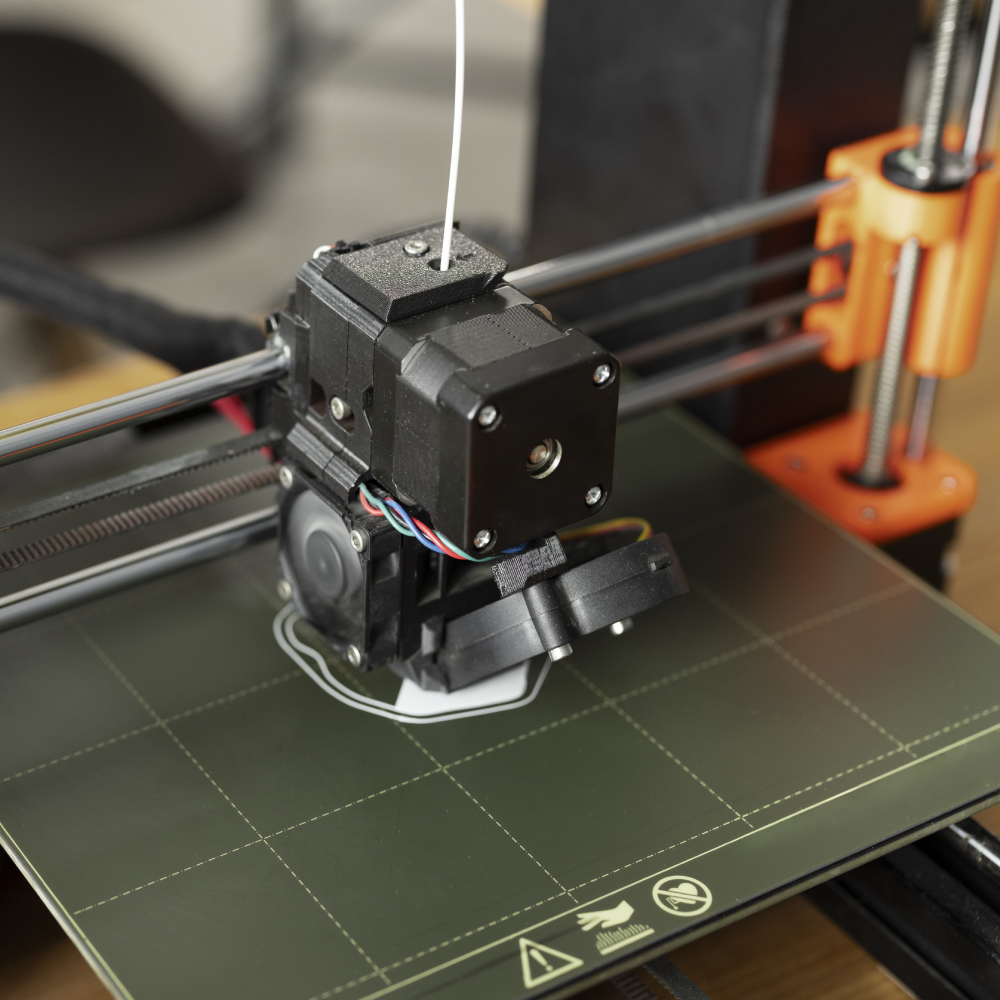
Linear Rails vs. Rods in 3D Printing – Which Should You Choose?
When it comes to building or upgrading a 3D printer, the motion system is one of the most important choices you’ll make....
Aluminium Profile Brackets: Types, Uses, and How to Choose the Right One
Aluminium extrusion systems are built on simplicity, modularity, and strength, and brackets are what bring it all togeth...
Must know 3D printer parts list for DIY makers
If you're a DIY enthusiast or maker looking to build your own 3D printer, and you need to find the right 3D printer part...
Understanding Aluminium Extrusion Profiles: A Practical Guide for Builders and DIY Projects
Aluminium extrusion profiles have become a popular material in the world of custom fabrication, DIY projects, and modula...
Lead Screw vs Ball Screw: 7 Must-Know Differences
When engineers, makers, or machine builders need precise linear motion, the question often comes up: lead screw vs ball ...
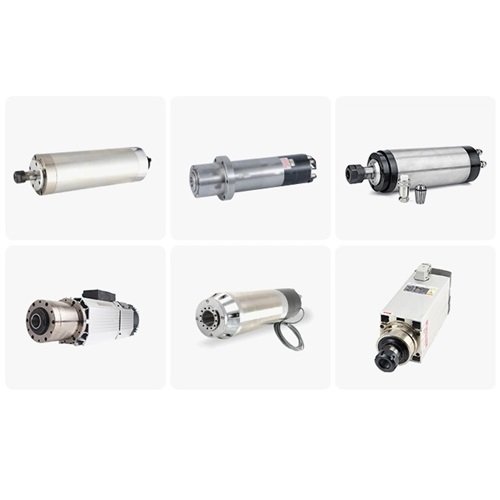
A complete Guide on Different Types of CNC spindle motors
A spindle motor is an electric motor that creates high-speed rotational motion and holds the tool in a CNC machine. The ...
6 thoughts on “Aluminium Profile Brackets: Types, Uses, and How to Choose the Right One”
It’s great to see a breakdown of the different aluminum profile brackets—especially for people building CNC setups or modular workspaces. Brackets are often overlooked but play a key role in frame rigidity and alignment.
Thank you, I’ve just been searching for information approximately this topic for a while and yours is the greatest I have discovered so far.
Hi to every body, it’s my first pay a visit of this blog;
this website consists of remarkable and in fact good material designed for visitors.
I constantly spent my half an hour to read this web site’s
articles daily along with a cup of coffee.
I must thank you for the efforts you’ve put in writing this website.
I’m hoping to see the same high-grade content from you in the future as well.
In fact, your creative writing abilities has encouraged me to get my
own website now 😉
Hi there! I simply wish to give you a huge thumbs up for the great info you have got here
on this post. I am coming back to your web site for more soon.