



Aluminium extrusion profiles have become a popular material in the world of custom fabrication, DIY projects, and modular construction. Thanks to their strength, versatility, and ease of use, they are now commonly used in everything from 3D printer frames to custom workstations.
In this article, we’ll explain what aluminium extrusion profiles are, how they’re used, and why they’re a smart choice for both professionals and hobbyists.
What Are Aluminium Extrusion Profiles?
Aluminium extrusion profiles are structural components made by pushing aluminium through a shaped die. The result is a lightweight but strong beam with a precise cross-sectional profile, typically featuring T-slots or grooves that allow easy attachment of accessories and connectors.
These profiles are modular and reusable, meaning they can be assembled, disassembled, and reconfigured with minimal tools. Common sizes include 20x20mm, 30x30mm, 40x40mm, and larger, depending on load and project needs.
Key Benefits of Aluminium Profiles
Here are the core advantages that make aluminium extrusions so useful in custom builds:
- Ease of assembly – Profiles connect using T-nuts, screws, and brackets. No welding or specialized tools are required.
- Modularity – Components can be adjusted or expanded without rebuilding from scratch.
- Durability – Aluminium is corrosion-resistant and strong enough for heavy-duty frames.
- Clean appearance – The anodized surface gives a professional, finished look.
- Reusability – Disassemble and reuse profiles for new projects, saving time and cost.
Common Uses for Aluminium Extrusions
Whether for a home workshop or industrial application, aluminium profiles offer flexible solutions. Popular use cases include:
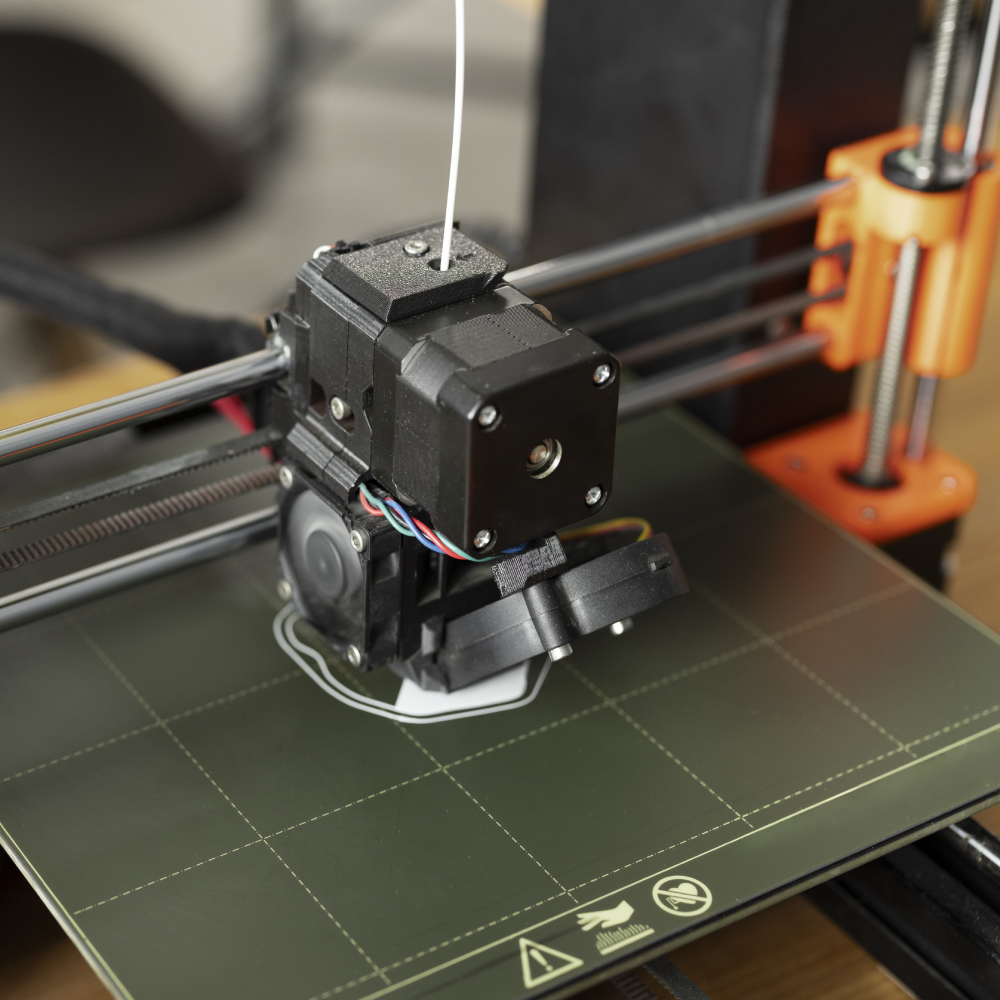
- 3D printer frames and CNC machines
- Custom desks, workbenches, or shelving units
- Enclosures for electronics or laser cutters
- Test rigs and automation frames
- Modular furniture and industrial carts
These profiles are especially valued in the maker, engineering, and manufacturing communities because of how easily they integrate with mechanical parts and electronics.
Essential Accessories and Components
To build with aluminium extrusion profiles, you’ll need compatible accessories. Here are the most commonly used parts:
- Accessory Purpose
- T-Nuts Slide into profile slots to create threaded anchor points
- Corner Brackets Provide 90° joints for frame stability
- End Caps Cover sharp ends and improve appearance
- Feet & Casters Add mobility or level support to larger structures
- Fasteners Screws and bolts to join profiles and brackets
Many builders also use panels, doors, or mounts that can be integrated directly into the profile structure using these accessories.

Example: Building a Simple Custom Frame
To illustrate how straightforward these systems can be, here’s a simplified build process for a basic equipment frame:
Measure and cut the profiles (or order pre-cut lengths)
Insert T-nuts into the slots where joints or parts will connect
Use corner brackets to assemble the structure
Tighten fasteners with an Allen key
Install accessories such as feet, shelves, or mounting plates
This approach requires minimal tooling and is ideal for workshops, labs, or maker spaces.
Tips for First-Time Builders
Plan ahead – Sketch the structure or use CAD software to avoid alignment issues later
Check for square – Use a builder’s square when tightening corners
Leave room for upgrades – Keep a few T-nuts in unused slots for future accessories
Label parts – If disassembling and rebuilding later, labeling saves time
Where to Find Aluminium Profiles in Canada
For Canadian makers, finding quality extrusion profiles and accessories can sometimes be challenging. Many suppliers focus on bulk orders or ship from overseas, which leads to longer wait times and higher costs.
At Zivon, our goal is to simplify this process by offering:
High-quality metric aluminium extrusion profiles
A full range of T-slot accessories and connectors
Reliable, fast shipping across Canada
Support for both hobbyists and small manufacturers
Our online shop is launching soon. If you’re interested in early access or custom sizing options, join our email list here to stay informed.
Final Thoughts
Aluminium extrusion profiles are one of the most flexible building materials available today. Whether you’re designing a machine frame, a workstation, or a piece of custom furniture, they offer a clean, reliable, and scalable solution.
As you explore more advanced projects, you’ll find that having the right accessories, connectors, and planning tools makes a significant difference. And with the growing availability of components in Canada, it’s easier than ever to start building with confidence.





Recent Comments