

Blog
Linear Rails vs. Rods in 3D Printing – Which Should You Choose?
When it comes to building or upgrading a 3D printer, the motion system is one of the most important choices you’ll make. Whether you’re chasing higher print accuracy, faster speeds, or just a smoother feel, the type of linear motion guide you choose—linear rails or smooth rods—will make a big difference.
Let’s break down what they are, how they work, and which one is right for your project.
What Are Linear Rails?
Linear rails are precision-machined tracks with a sliding block (carriage) that rides on ball bearings. They provide extremely smooth, rigid, and accurate motion, even at high speeds.
How They Work:
Tiny steel ball bearings circulate inside the carriage, reducing friction and keeping movement consistent. The rail itself is rigid and often made from hardened steel.
Pros:
Exceptional precision and stiffness
Handles higher loads without flex
Minimal play/backlash
Great for fast printing without ringing artifacts
Cons:
Higher cost
Requires accurate mounting surface (flatness is important)
Slightly heavier than rods
What Are Smooth Rods?
Smooth rods are hardened steel or chrome-plated shafts with linear bearings (LM8UU, LM10UU, etc.) or polymer bushings that slide along them.
How They Work:
Bearings or bushings glide along the rod surface. This system is simple, lightweight, and easy to install.
Pros:
Affordable and widely available
Simple to mount and replace
Lighter than rails in many setups
Cons:
Can flex over long spans
Bearings may wear faster
Less rigid—can cause print artifacts at higher speeds
Which One is Smoother?
If mounted correctly, linear rails will feel glass-smooth and consistent even after years of use. Smooth rods can also be smooth, but only if high-quality bearings are used and they’re kept clean and lubricated. Cheap bearings on rods often develop play or stickiness over time.
Which One Is More Affordable?
Smooth rods win in upfront cost—especially for smaller printers.
Linear rails have dropped in price thanks to overseas manufacturers, but good brands like Hiwin still cost more.
When to Use Which
Choose Linear Rails if:
You want to print fast with minimal ghosting/ringing
You’re building a CoreXY, Voron, or high-end custom
Rigidity and long-term precision matter more than cost
Choose Smooth Rods if:
You’re on a budget
Building a Prusa-style or simple Cartesian printer
You value lightweight and easy installation over maximum stiffness
The best Linear Rails and Linear Rods for 3D Printers
Linear Rails:
Budget: MGN12H rails
Premium: Hiwin MGN12H or MGN9H
Tip: Always check for smooth travel before installing—cheap rails can have rough spots
Smooth Rods:
Hardened chrome rods with genuine bearings
Polymer bushings for quieter operation
Avoid soft or uncoated rods—they wear fast
Final Thoughts
Your motion system is the backbone of your 3D printer. Smooth rods are great for starting out or keeping costs low, but if you want to push your printer’s performance, linear rails are the clear winner.
Categories
Recent Posts
Recent Comments
- amcloclose1983 on Linear Rails vs. Rods in 3D Printing – Which Should You Choose?
- kiralixdooro on Linear Rails vs. Rods in 3D Printing – Which Should You Choose?
- timmelocco on Aluminium Profile Brackets: Types, Uses, and How to Choose the Right One
- kontol on Aluminium Profile Brackets: Types, Uses, and How to Choose the Right One
- bandar togel on Aluminium Profile Brackets: Types, Uses, and How to Choose the Right One
Leave a Reply Cancel reply
You must be logged in to post a comment.
Related posts
Stepper Motor Applications
Probably you've seen videos of robots used in the car makers factory like Tesla. You may have thought that achieving suc...
Lead Screw vs Ball Screw: 7 Must-Know Differences
When engineers, makers, or machine builders need precise linear motion, the question often comes up: lead screw vs ball ...
How to Choose the Right Stepper Motor for a 3D Printer
When building or upgrading a 3D printer, choosing the right stepper motor for 3D Printer isn't just a detail—it's a deci...
Linear Rails vs. Rods in 3D Printing – Which Should You Choose?
When it comes to building or upgrading a 3D printer, the motion system is one of the most important choices you’ll make....
A complete Guide on Different Types of CNC spindle motors
A spindle motor is an electric motor that creates high-speed rotational motion and holds the tool in a CNC machine. The ...
What Is a T-Nut and How Does It Work in Aluminium Extrusion Profiles?
If you’re working with aluminium extrusion profiles, you’ve probably come across T-nuts — small but essential components...
Must know 3D printer parts list for DIY makers
If you're a DIY enthusiast or maker looking to build your own 3D printer, and you need to find the right 3D printer part...
Understanding Aluminium Extrusion Profiles: A Practical Guide for Builders and DIY Projects
Aluminium extrusion profiles have become a popular material in the world of custom fabrication, DIY projects, and modula...
Aluminium Profile Brackets: Types, Uses, and How to Choose the Right One
Aluminium extrusion systems are built on simplicity, modularity, and strength, and brackets are what bring it all togeth...
Belts and Pulleys in 3D Printing: What You Need to Know
When you watch your 3D printer gliding smoothly across the bed, what you’re really seeing is the magic of belts and pull...
5 Things to Know About a 3D Printer Extruder and Hotend
When it comes to 3D printing, two components make or break the quality of your prints: the 3D printer extruder and hoten...
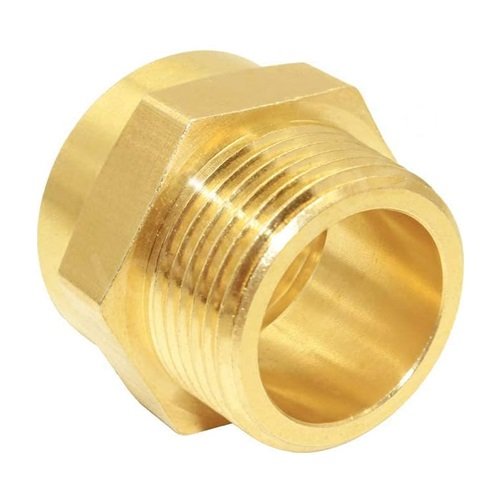
How to convert G-series thread to Metric standard?
G-series is the most important method of measurement for pipe threads, which is known as British pipe thread. it is impo...
2 thoughts on “Linear Rails vs. Rods in 3D Printing – Which Should You Choose?”
Hey, great to see you!
I’m more than happy to find this site. I need to to thank you for ones time for this fantastic read!! I definitely liked every bit of it and i also have you saved as a favorite to see new things on your web site