



When it comes to 3D printing, two components make or break the quality of your prints: the 3D printer extruder and hotend. Together, they handle the most critical job in the printing process — feeding filament and melting it with precision to create strong, detailed parts.
Whether you’re a beginner trying to understand how your machine works or an advanced user looking to upgrade, this guide explains what extruders and hotends are, how they work, and the most important things to consider when choosing or maintaining them.
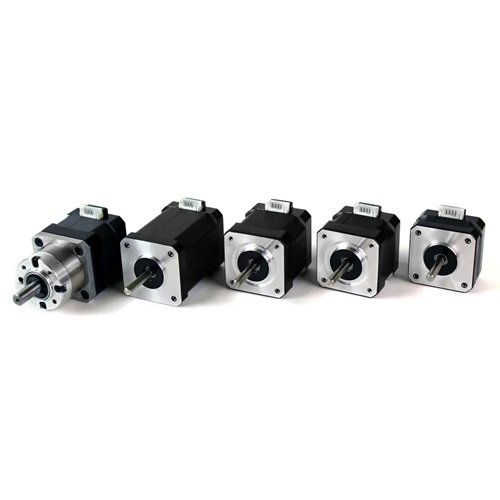
If you want to build your own 3d printer, here is the complete 3d printer parts list
What Is a 3D Printer Extruder?
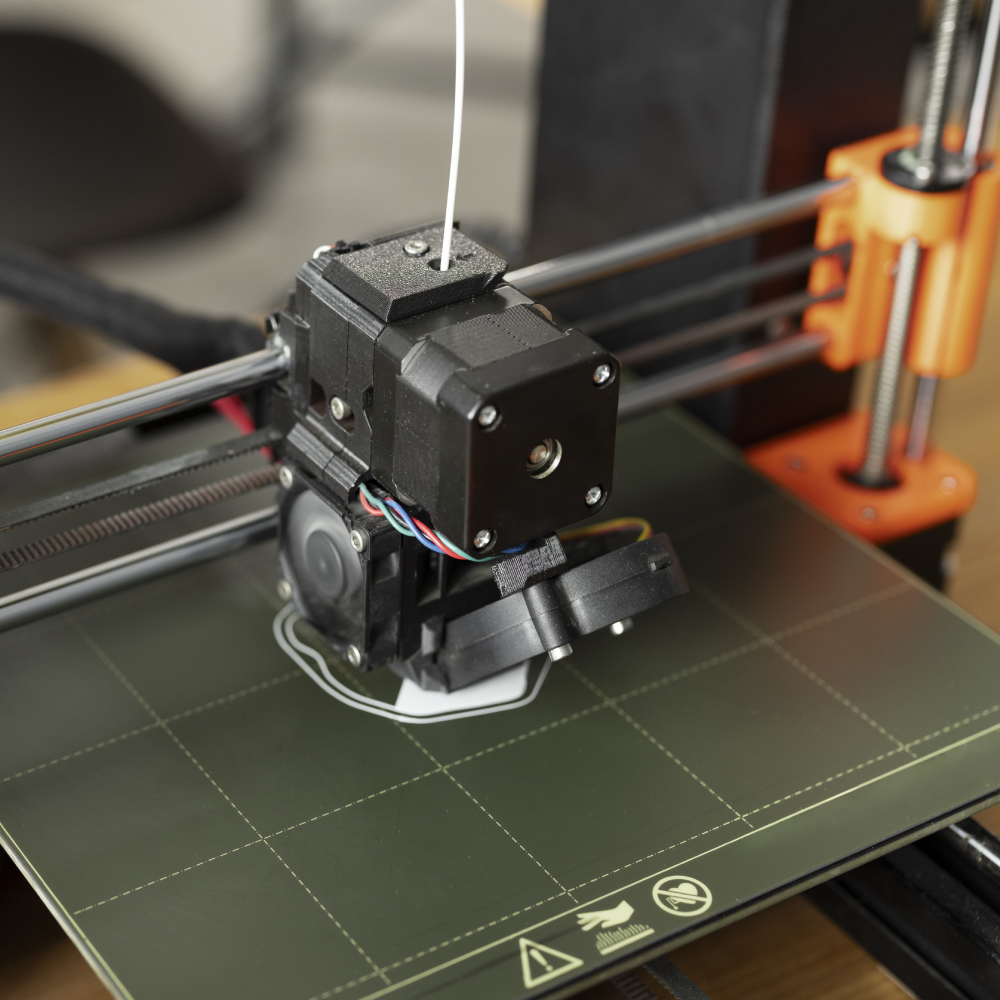
The extruder is the part of the 3D printer that grabs filament and pushes it toward the hotend. Think of it as the muscle of your printer’s feeding system. It uses gears or rollers to grip the filament and ensure it moves consistently.
main types of extruders
Bowden Extruder: The extruder is mounted away from the hotend, feeding filament through a PTFE tube. This makes the moving parts lighter, enabling faster print speeds. However, flexible filaments are harder to print.
Direct Drive Extruder: The extruder sits right above the hotend, giving better control over retractions and flexible materials. The trade-off is more weight on the moving carriage, which can limit speed.
👉 In short: Bowden = speed, Direct Drive = flexibility.
What Is a Hotend?
The hotend is where the magic happens — it’s the component that melts the filament so it can be deposited layer by layer. It consists of several key parts:
Heatsink: Keeps the upper section cool to prevent clogs.
Heat Break: Separates hot and cold zones to ensure smooth filament flow.
Heater Block: Contains the heating cartridge and thermistor for temperature control.
Nozzle: Shapes the melted filament as it’s extruded onto the print bed.
Different hotends support different materials. For example:
PTFE-lined hotends are cheaper and work well for PLA and PETG.
All-metal hotends can handle higher temps (ABS, Nylon, Polycarbonate, CF blends).
How Do the 3D Printer Extruder and Hotend Work Together?
The extruder pulls filament from the spool and pushes it into the hotend. Once inside, the hotend melts the filament to the right temperature and extrudes it through the nozzle in precise amounts.
This teamwork is crucial — if the extruder slips or underfeeds, you’ll get gaps and weak prints. If the hotend overheats or clogs, extrusion stops altogether.
👉 In other words, the 3D printer extruder and hotend are a team — one pushes, the other melts.
Choosing the Right 3D Printer Extruder and Hotend
1. Material Compatibility
If you only print PLA/PETG, a stock PTFE-lined hotend is fine.
For higher-temperature filaments (ABS, Nylon, CF), an all-metal hotend is necessary.
2. Nozzle Size & Type
0.4mm brass nozzle = the standard (good detail, decent speed).
Hardened steel nozzles = handle abrasive filaments like carbon fiber or glow-in-the-dark.
Larger nozzles (0.6–1.0mm) = faster printing, stronger parts, less detail.
3. Extruder Drive Type
A single gear is fine for basic prints.
Dual-drive extruders grip filament from both sides for more reliable feeding.
4. Cooling
Make sure your hotend has proper part cooling fans and a reliable heatsink. Cooling affects both extrusion stability and print quality.

5 Must-Know Tips for Better Performance
- Calibrate your extruder steps (E-steps) to ensure filament is fed accurately.
- Check your retraction settings — direct drive needs less, Bowden needs more.
- Upgrade to an all-metal hotend if you plan to print high-temp or abrasive filaments.
- Swap nozzles regularly (brass wears out fast with composites).
- Keep everything clean — dust and burnt filament cause jams.
Final Thoughts
The 3D printer extruder and hotend are the heart of your printing system. Together, they control the flow of filament and determine the strength, accuracy, and finish of your prints.
Want speed and lightweight motion? Go for a Bowden setup.
Need flexible filament handling and precision? Direct drive + all-metal hotend is your best bet.
Whether you’re troubleshooting, upgrading, or building from scratch, getting your extruder and hotend right will make the biggest difference in your 3D printing success.





Recent Comments